
Water-in-sand coating is a textured multicolor finish, and the application method changes the result. Spray, roller and trowel can all put the product on the wall, but they leave different textures, need different skills and suit different parts of a building. Choosing the method after the product is selected, rather than before, is one of the most common reasons a facade looks uneven.
This guide compares the three methods, explains where each one works, and covers the preparation that all three depend on.
What water-in-sand coating is
Water-in-sand is a water-based coating filled with mineral filler and colour flecks. It builds a thicker, sand-textured film than a flat paint and imitates the look of sandstone or rough stone. The colour flecks are suspended in the product, so the surface has a stone-like pattern as well as a grain.
The final texture depends on the method, the tool, the number of passes and the skill of the applicator. The same product can look like a fine sand finish or a deeper, hand-made texture. That is why a sample panel is part of the specification, not an optional extra.
Water-in-sand is often used on villas, low-rise residential buildings, entrance areas and feature walls. It is not a flat finish, so it is a poor choice for a wall with active cracks or damp. The texture can hide small defects, but it cannot fix the substrate, and a heavy texture over a moving crack will crack as well.
The three methods at a glance
| Method | Texture | Speed | Skill | Best for |
|---|---|---|---|---|
| Spray | Even sandy grain | Fast on large areas | Medium | High-rise and large facades |
| Roller | Flatter, softer texture | Slower | Low to medium | Small areas and repairs |
| Trowel | Deep, hand-made texture | Slowest | High | Feature walls and villas |
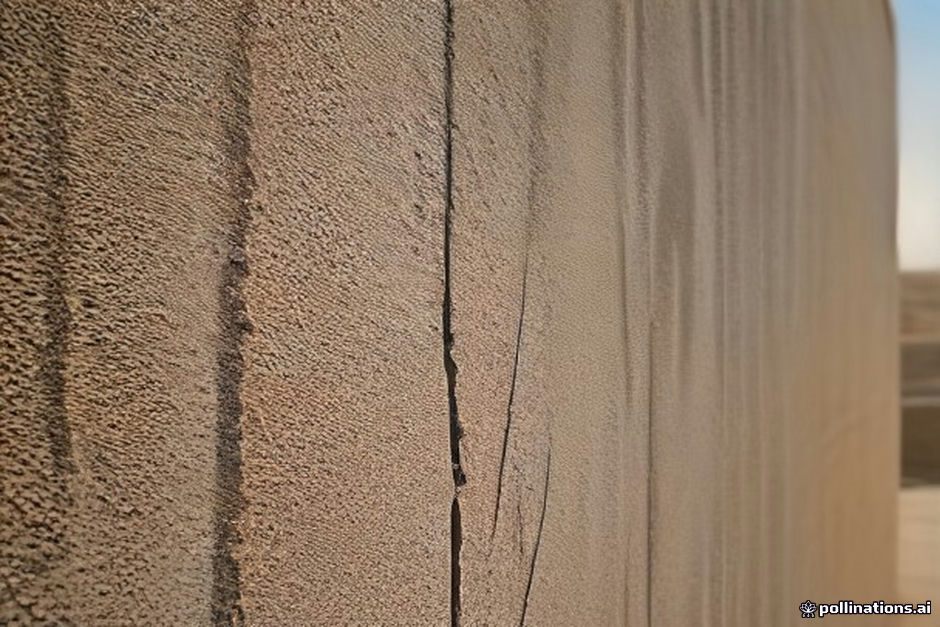
Spray application
Spraying is the usual method for large elevations. A hopper gun or a texture spray unit throws the product onto the wall in several passes. The operator controls the nozzle, the distance, the angle and the overlap between passes.
The advantages are speed and a consistent texture across a large area. The limitations are overspray, the need to mask windows and adjacent surfaces, and the skill required to keep the pattern even. A wrong nozzle or a heavy pass can leave a patch that is hard to correct.
Spray in a steady rhythm, keep the gun at a consistent distance, and overlap each pass by about half. Build the texture in two or three passes rather than one heavy coat. Check the wall from a distance between passes, not only close up.
Set up the equipment before the wall is masked. Check the nozzle, the air pressure and the product consistency on a test board. A spray gun that is too small for the mix will spit and leave large droplets; a gun that is too large will put down too much product in one pass. Mask windows, doors, lights and adjacent surfaces, and protect the ground with a tarp. Keep the hose clear of the fresh wall and clean the gun between mixes so the texture does not spit or blot.
Roller application
Some water-in-sand products can be applied with a roller, especially on small areas, repairs and details. The roller leaves a flatter, softer texture than spray, and the colour flecks may spread differently. The finish can look close to the sprayed wall, but it is rarely identical.
Use the roller specified for textured products, keep the coats thin and work in small sections. Do not over-roll the surface; the more the product is worked, the more the grain flattens. On a visible wall, test the roller finish against the sprayed area before starting.
Not every water-in-sand product is designed for a roller. Check the data sheet and ask the supplier before changing the method. If the product is suitable, use a textured roller, keep the coats thin and avoid pressing hard. Roll in one direction and blend the edges while the product is still wet.
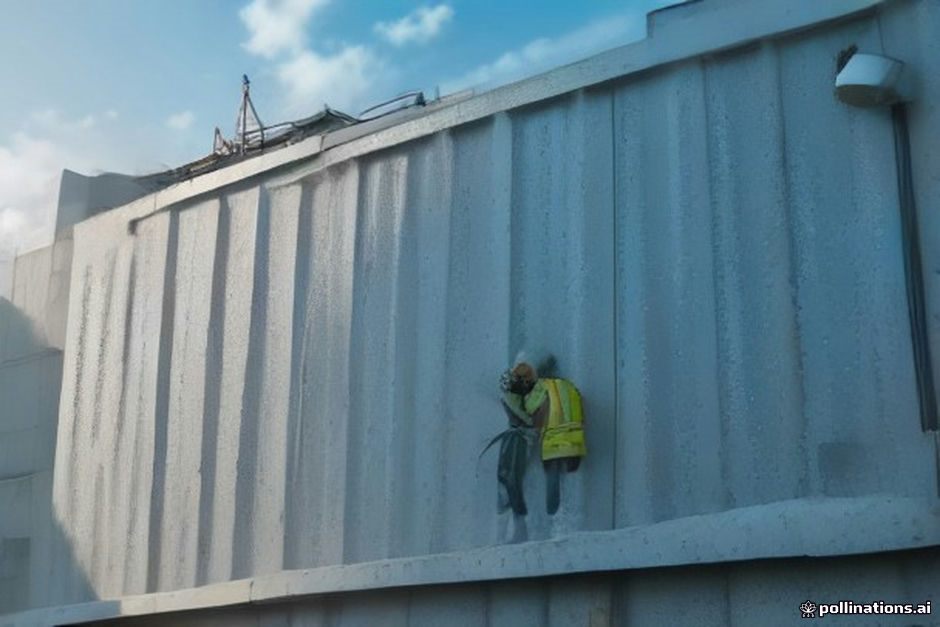
Trowel application
Trowel application gives the deepest, most hand-made texture. The product is spread and patterned with a stainless steel trowel, and the applicator controls the direction and depth of the grain. It suits feature walls, entrance areas and villas where a crafted look is wanted.
It is the slowest method and the most dependent on skill. Joint lines, trowel marks and changes in pressure can show, especially on a large wall. Work in defined panels, keep the mix consistent and protect the edges while the product is still soft.
Plan the trowel work in panels that can be finished without stopping. Once the product starts to set, it is difficult to blend a new mix into an old panel. Keep the same mix, the same trowel angle and the same pressure across the panel, and protect the edges until the next panel is ready.
Which method for which project
For a large high-rise or a long elevation, spray gives the most consistent texture and the best speed. For small areas, repairs and detailed parts, a roller is practical. For a feature wall or a villa where the texture is part of the design, trowel gives the most character.
On a complex facade, methods are often combined: spray for the main field, roller or brush for details, trowel for a feature panel. Plan the transitions so the change in texture looks intentional, not like a repair.
For a repair on a wall that is otherwise sprayed, use a small spray gun or a brush and blend the edges while the product is wet; a roller can leave a visible flat patch on a deep texture.
A sample panel should show each method that will be used on the project. Put the spray, roller and trowel samples side by side in the same light and let the client see how they compare. This avoids a dispute later about a texture that looked different on a small board.
Preparation and primer
All three methods need the same base: a sound, clean, dry wall, repairs completed and an alkali-resistant primer applied across the whole elevation. The primer controls alkalinity and helps the textured film bond evenly. Mask windows, doors and adjacent surfaces before any method starts, and protect the ground from overspray and droppings.
Do not prime in direct sun on a hot wall; the primer can dry too fast and lose adhesion. Work in shade or early in the day and keep the primer covered before the texture coat.
Common mistakes
- Using the wrong nozzle or distance for the texture.
- Applying one heavy pass instead of several light passes.
- Rolling a product that is designed for spray, then expecting the same texture.
- Trowelling in one continuous run and leaving joint marks.
- Skipping the primer or priming only the patches.
- Working in direct sun, wind or rain without protection.
Check the wall in raking light, not only in flat daylight. Raking light shows trowel marks, uneven passes and missed patches that are invisible from the front. Walk the elevation at the end of each day and mark defects while the product is still workable.
FAQ
Can water-in-sand coating be rolled?
Some products can, especially on small areas and repairs. The texture will be flatter than spray, and the colour flecks may look different. Test a small area and compare it with the main wall before rolling a visible section.
Which method gives the most even texture?
Spray gives the most consistent texture on large areas when the operator keeps the distance and overlap steady. Trowel gives the most character but is the hardest to keep even.
Can I touch up a sprayed wall with a roller?
You can, but the repair may show as a flatter patch. Blend the edges, keep the product and mix the same, and check the result from a distance. On a prominent wall, a small spray touch-up is often better.
Which method is fastest?
Spray is fastest on large elevations. Roller is slower but practical for small areas. Trowel is the slowest and needs the most skill.
Does the application method affect durability?
The method affects the texture and the film build, and a badly applied coat can fail earlier. Durability still depends mainly on the substrate, the primer, the product and the weather protection. All three methods need the same preparation.
Final word
Water-in-sand is not one texture; it is a family of textures created by the method and the tool. Choose spray for large, even facades, roller for small areas and repairs, and trowel for feature work. Then protect the result with the same preparation, primer and weather discipline on every method.
Five Lakes Coatings has made water-based coatings since 1984, including rock chip real stone paint, alkali-resistant sealing primer and exterior wall emulsion paint. For help choosing a system, send us the project details. For a comparison of multicolor finishes, read water-in-water vs water-in-sand.