
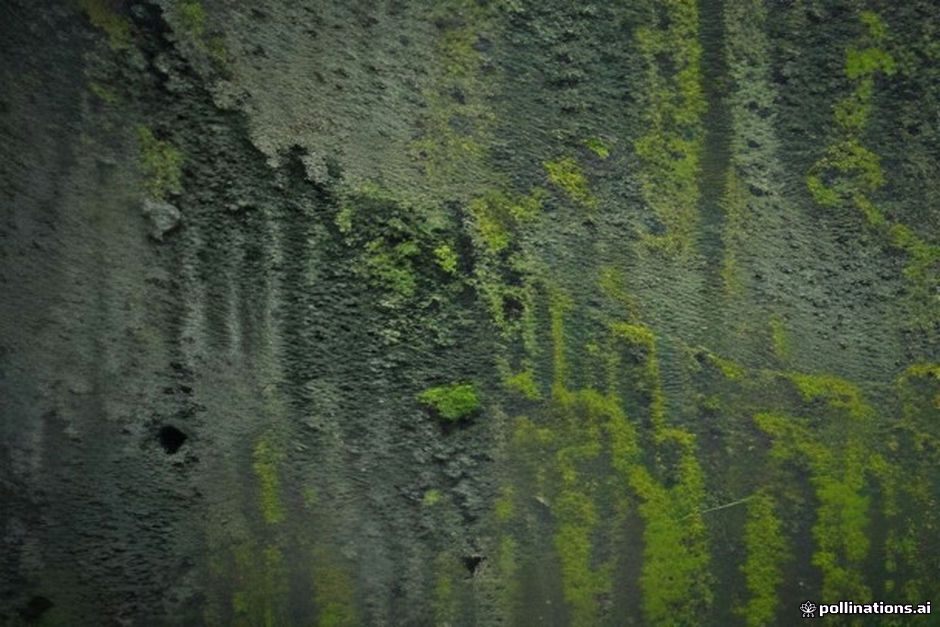
Green streaks and black patches on an exterior wall are not just dirt. They are living growth — algae, mold or both — feeding on moisture and the surface of the wall. Washing them off helps for a while, but the growth returns until the wall dries and the coating stops feeding it.
This guide explains why mold and algae appear in humid climates, how to tell them apart from dirt, and how to clean the wall and choose a coating system that resists regrowth.
What mold and algae actually are
Algae are simple plants that grow in damp, shaded conditions. They usually appear as green, brown or reddish streaks and films. Mold and mildew are fungi that grow as black, green or grey patches. Both need moisture, a surface to attach to, and nutrients — dust, pollen, oil and the coating itself can provide those nutrients.
They are not the same as efflorescence, which is white salt, or ordinary dirt, which washes off easily. Growth usually starts in the places that stay damp longest and gets worse each season if the moisture is not controlled.
Growth also holds water against the coating. A thin film of algae keeps the surface damp for longer, which softens the binder and makes the next season’s growth worse. That is why a wall that is only washed but not protected tends to go green again quickly.
Spores travel in the air and settle on the wall. A surface that stays damp for a few days at a time gives them a chance to attach. Once a patch is established, it releases more spores and spreads along the wall, especially where water runs or collects.
Why humid climates are prone
In a humid climate, the wall stays wet for long periods. Rain, high humidity, condensation at night, shade and poor airflow all slow down drying. Coastal areas add salt, which holds moisture and can damage the coating. Walls that face away from the sun or sit under trees dry even more slowly.
Building design makes a difference. A wall that faces the prevailing rain, sits in the shadow of another building or is surrounded by vegetation dries slowly. A coastal site adds salt, and a site with poor drainage keeps the base of the wall wet. In a monsoon climate, the wall may stay damp for weeks at a time, so the coating and the detailing have to be chosen for a long wet season rather than a short one.
Where it starts
- Under eaves and in shaded recesses
- Around downpipes, gutters and leaking joints
- Low on the wall, near soil, plants or irrigation
- On north-facing or heavily shaded elevations
- Around cracks, poor render and old sealant
- In areas with poor ventilation or condensation
Why painting over it does not work
Paint does not kill algae or mold. If the growth is still on the wall, the new film covers it for a while and then lifts as the spores and moisture spread underneath. On a damp wall, a heavy paint film can trap moisture and make the problem worse.
The growth returns because the conditions have not changed: the wall is still damp, shaded or dirty. Cleaning and drying are part of the fix, but the coating system and the water management have to change as well.
A coating can include additives that resist growth, but the additives work at the surface. They cannot protect a wall that is wet from behind or covered in dirt. The preparation and the moisture control come first.
How to tell them apart
| What you see | Likely cause | What to do |
|---|---|---|
| Green or brown streaks | Algae | Clean, improve drying, use a resistant coating |
| Black or grey patches | Mold or mildew | Clean, fix moisture, use a resistant coating |
| White powder that dissolves | Efflorescence salts | Fix water, clean, alkali-resistant primer |
| Brown dirt that washes off | Dust and pollution | Wash and maintain |
A simple test helps. Rub a small patch with a damp cloth: algae usually comes away as a green or brown smear, mold may look fuzzy and dark, and dirt washes off without a green tint. Efflorescence is white and dissolves in water. If the patch returns within a few weeks, the wall is still damp and the cause has to be fixed.
Clean the wall correctly
- Dry brush or vacuum loose growth and dirt first.
- Wash with low pressure and a suitable cleaner for the surface. Work from the bottom up and rinse from the top down.
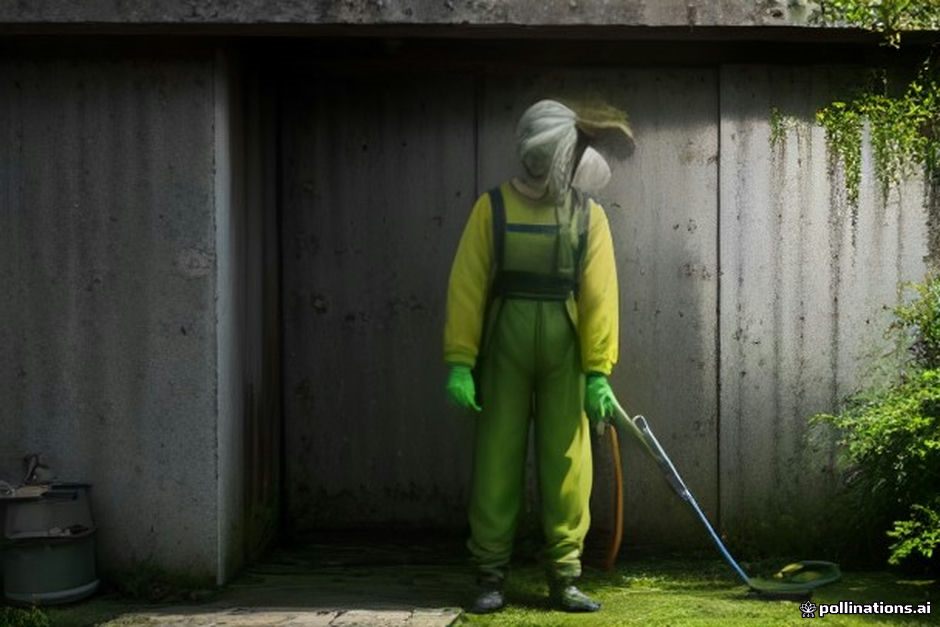
- Use protective gloves, eye protection and a mask. Do not mix cleaning chemicals.
- Rinse thoroughly and protect plants and ground surfaces.
- Let the wall dry completely before coating. If the growth returns quickly, the moisture source is still active.
Choose a cleaner that suits the coating. A harsh cleaner can dull or soften the paint, especially on a fresh film. Test a small area, follow the dilution and rinse thoroughly.
On render, work with a soft brush and low pressure; a powerful jet can open the surface and drive water into the wall. On a painted wall, test a small area first to make sure the cleaner does not soften or dull the film. Work in sections and rinse before the cleaner dries, especially in direct sun.
Fix the moisture and shade
Repair leaks, clear gutters and downpipes, and direct ground water away from the wall. Fix cracks and failed sealant. Improve ventilation where condensation forms. Trim plants and trees that keep the wall shaded and damp. On a coastal site, rinse salt regularly.
If the growth keeps returning after cleaning and repairs, a waterproofing or facade specialist can trace hidden moisture paths. That is usually cheaper than repeated cleaning and recoating.
Check the details that are easy to miss: a gutter that overflows at one joint, a downpipe that discharges against the wall, a cracked window sill, a soil level that sits above the damp course. These small defects keep one part of the wall wet and are often the reason growth keeps returning in the same place.
Choose the coating system
Primer
Use an alkali-resistant primer on concrete and render. It improves adhesion and protects the binder from the alkaline substrate. Do not thin it to stretch coverage.
Topcoat
Choose a breathable exterior acrylic paint with resistance to mold and algae. A breathable film lets moisture escape instead of trapping it. Avoid heavy, vapour-tight sealers on a wall that stays damp. On a wall that is shaded all year, consider improving airflow or reducing the shade before relying on the coating alone.
Film build and sheen also matter. A thin, even film dries properly and resists dirt; a heavy film can stay soft in cool, humid weather. A matt or low-sheen finish hides surface variation, while a higher sheen is easier to wash but shows defects. Choose the sheen for the wall and the maintenance plan, not only for the colour.
Maintenance plan
In a humid climate, inspect the wall after the rainy season and clean it every year or two. A light wash is cheaper than a full recoat, and it removes the nutrients that growth needs.
Prevention checklist
- Keep gutters and downpipes clear.
- Repair leaks and cracked sealant.
- Move soil and irrigation away from the wall.
- Trim plants that shade the facade.
- Ventilate rooms that create condensation.
- Clean the wall before growth spreads.
- Use an alkali-resistant primer.
- Choose a breathable, resistant topcoat.
- Keep light colours on sun-exposed walls.
- Inspect after every rainy season.
FAQ
Can I paint over mold and algae?
No. Clean and dry the wall first. Painting over growth traps spores and moisture and the problem returns. If the wall stays damp, fix the water source before coating.
Will anti-mold paint stop growth?
A good coating helps, but it is not a substitute for fixing moisture. If the wall stays wet or shaded, growth can return even on a resistant coating.
Is bleach safe for cleaning?
Bleach can kill growth on some surfaces, but it can damage coatings and plants and is harsh to use. Follow the product instructions, protect yourself and rinse well. Do not mix bleach with acid cleaners.
How do I remove green algae from a painted wall?
Dry brush first, then wash with low pressure and a suitable cleaner. Rinse and let the wall dry. If the algae returns quickly, the wall is staying damp and needs better drainage, airflow or shade control.
How often should I clean the wall?
In a humid climate, inspect after the rainy season and clean every year or two. On a shaded or coastal wall, it may need cleaning more often.
Final word
Mold and algae are a sign that the wall stays damp. Cleaning removes the growth, but the coating and the water management decide whether it comes back. Fix the moisture, clean the surface and choose a breathable, resistant system.
Five Lakes Coatings has made water-based coatings since 1984, including exterior wall emulsion paint, alkali-resistant sealing primer and interior wall emulsion paint. For help with a humid-climate facade, send us the project details. For a comparison of textured finishes, read water-in-water vs water-in-sand.