
Exterior latex paint and real stone paint are both water-based finishes, and both can protect a facade. They do not look the same, age the same or need the same maintenance. One gives a smooth, uniform colour; the other gives a textured stone surface. The right choice depends on the building, the substrate and how the owner wants to maintain it.
This guide compares the two finishes on appearance, durability, maintenance and application, and explains which projects suit each one.
What exterior latex paint is
Exterior latex paint is a water-based acrylic emulsion. It forms a relatively thin, smooth film that can be rolled or sprayed and is available in a wide range of colours. A good exterior grade stays flexible in sunlight, resists rain and allows the wall to breathe.
Because the film is thin and flat, latex paint shows the substrate clearly. Small cracks, patches and uneven render can be visible unless the wall is repaired and prepared first. The advantage is a clean, uniform look and a surface that is easy to clean and recoat.
Exterior latex paints also come in different sheen levels. A matt finish hides surface defects better; a satin or eggshell finish is easier to wash. On a large facade, the sheen has to be consistent across the whole elevation, because a change in sheen can look like a patch even when the colour matches.
What real stone paint is
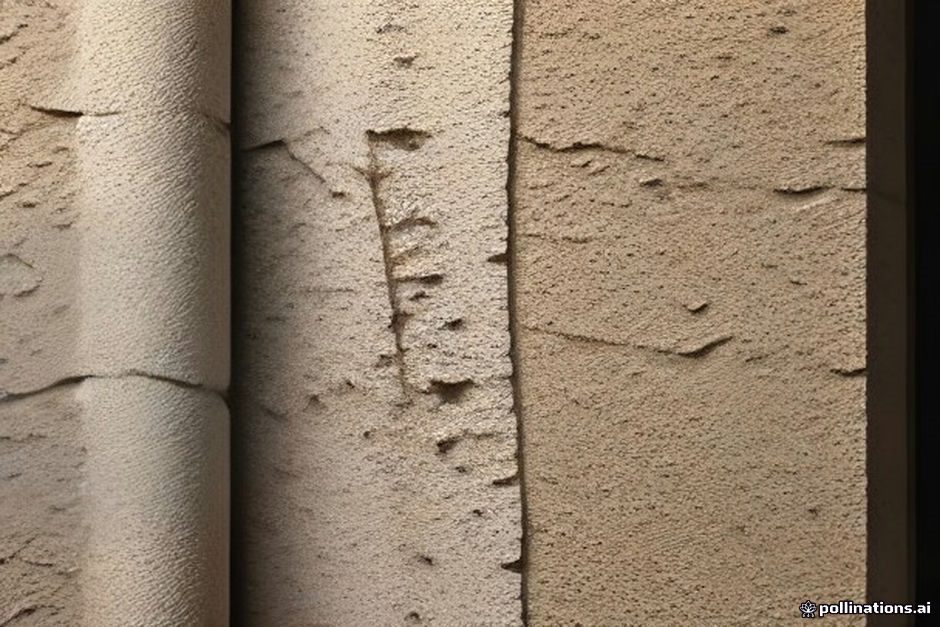
Real stone paint is a thicker coating filled with graded stone chips. The binder holds the chips to the wall, and the chips give the surface its colour and texture. It is usually sprayed in several passes and builds a film that looks like cut stone.
The stone look comes with a heavier, less flexible film. Real stone paint can handle normal movement, but it cannot bridge a moving crack. It also holds more dust in the texture, and a patch repair is harder to blend than a flat paint repair.
Quick comparison
| Point | Exterior latex paint | Real stone paint |
|---|---|---|
| Appearance | Smooth, uniform colour | Textured stone surface |
| Film | Thin and flexible | Thick and mineral-filled |
| Hides defects | Less | More |
| Application | Roller or spray | Texture spray, several passes |
| Repair | Easy to recoat and patch | Texture and colour matching is harder |
| Best for | Large flat facades and clean modern lines | Stone-look residential and commercial facades |
Appearance and design
Latex paint gives the designer a flat, even surface. Colour changes are straightforward, and the same product can be used on large elevations, soffits and interior walls. On a high-rise or a building with strict visual lines, the uniform finish is often the right choice.
Real stone paint gives depth. The stone chips catch the light and create a surface that reads as natural stone from a distance. It suits villas, low-rise buildings, entrance areas and facades where a warmer, more textured look is wanted. The texture also hides small imperfections in the render.
Durability on a real facade
Both finishes can last for years when the system is right. The binder quality, the primer, the substrate and the application matter more than the product name on the bucket.
In strong UV, a latex film stays flexible and is less likely to crack, but it can chalk and fade over time. Real stone paint is more resistant to visible chalking because the stone chips protect the binder, but the thicker film is more sensitive to substrate movement and application errors.
In cold climates, both need a binder that stays flexible through freeze-thaw cycles. In hot, dry climates, light colours and a UV-stable binder help. In humid or coastal areas, resistance to mould, algae and salt becomes important for either finish.
A facade should be inspected every few years, not only when the paint fails. Look for chalking, hairline cracks, blisters and dirt build-up. Catching a small defect early is cheaper than repairing a large area later, and it applies to both latex and stone paint.
Maintenance and repair
Latex paint is easier to maintain. The smooth surface can be washed with a soft brush and mild detergent, and a new coat can be applied without changing the texture. Small repairs can be primed and recoated, and the repair usually blends in.
Real stone paint needs more care. The texture holds dust, so the wall may need cleaning more often on a dusty or coastal site. A patch repair has to match both the colour and the texture, which takes skill and, ideally, material from the same batch. Keep a small quantity of the original product for future touch-ups.
On both finishes, the first repair is the one that matters. If water is getting behind the coating, cleaning and repainting will not fix it. Find the source, repair the wall and let it dry before recoating.
Application differences
Latex paint is applied with a roller or spray in two coats over a primer. The work is faster and more forgiving, but the wall must be repaired first because the flat film shows every defect.
Real stone paint is sprayed in several passes to build the texture. The operator controls the distance, the angle and the number of passes, and the wall must be sound and evenly primed. A sample panel is essential because the final texture and colour depend on the application.
Weather matters for both systems. Avoid applying in direct sun on a hot wall, in strong wind or when rain is expected before the film has dried. Plan the work in elevations so each section is finished within the same window and the joints do not show.
Substrate and primer
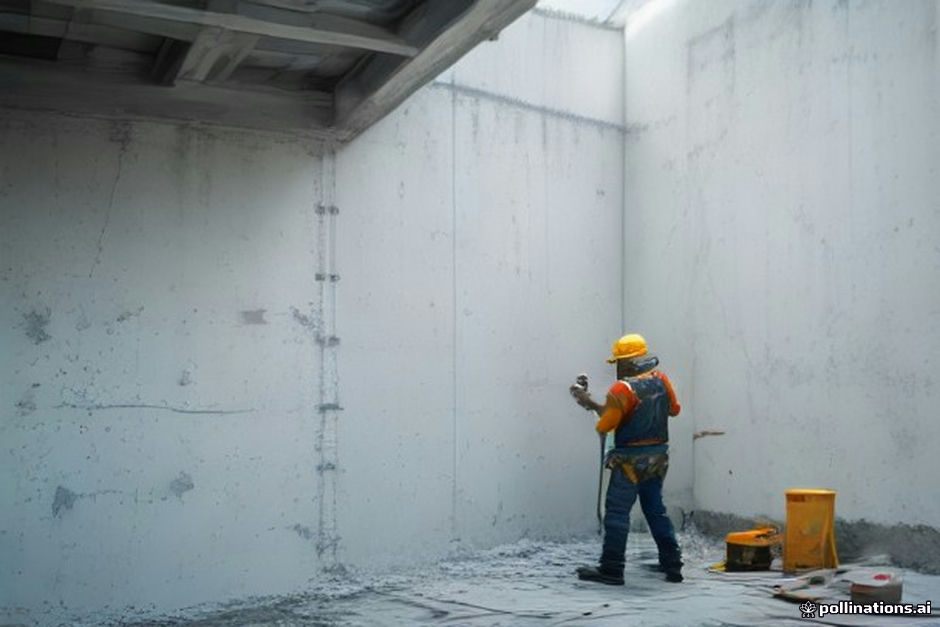
Neither finish fixes a failing wall. Cracks, hollow render, damp and efflorescence have to be repaired before coating. The wall should be clean, dry and within the moisture and pH limits given by the supplier.
An alkali-resistant primer is the base for both systems. On concrete and render it improves adhesion and protects the binder from the alkaline substrate. For real stone paint, the primer also helps the heavier film bond evenly across the wall.
Which finish suits which project?
There is no universal winner. The right finish depends on the look the client wants, the condition of the wall and the maintenance the owner is prepared to do. Use the lists below as a starting point, then confirm with a sample panel and the product data sheet.
When latex paint is the better choice
- The facade is large, flat and in good condition.
- The design calls for a clean, uniform colour.
- The owner wants easier cleaning and recoating.
- The project needs a straightforward application with less texture risk.
- The same finish is used across different building elements.
When real stone paint is the better choice
- The design calls for a stone look without the weight of stone cladding.
- The wall has small surface imperfections that a flat paint would show.
- The building is a villa, low-rise or entrance area where texture adds value.
- The owner accepts more careful cleaning and repair matching.
- The substrate is sound and the application can be done by an experienced team.
Common mistakes
- Using real stone paint to cover a structural crack.
- Skipping the primer on either system.
- Applying latex paint too thin to save material.
- Applying real stone paint too thick in one pass.
- Coating a damp or alkaline wall.
- Choosing a product for the look without checking the climate and substrate.
FAQ
Which lasts longer, latex paint or real stone paint?
It depends on the binder, the substrate, the climate and the application. A well-applied latex system can last many years, and so can real stone paint. Real stone paint is more sensitive to movement and application errors, so the preparation matters even more.
Can I paint latex over real stone paint?
Only if the stone paint is sound and still bonded. Test a small area first. The texture may show through the new paint, and a very rough surface may need levelling before coating.
Which is better for hot climates?
Both can work with a UV-stable binder and suitable colours. Latex paint is more flexible and easier to recoat; real stone paint needs a correct film build and a sound substrate to avoid cracking.
Which needs more maintenance?
Real stone paint usually needs more cleaning because the texture holds dust, and repairs are harder to blend. Latex paint is easier to wash and recoat, but it may need repainting sooner in strong sun.
Can I use both on the same building?
Yes, as design features. Plan the transitions, use compatible primers and keep the details simple. A sample panel helps the client see how the two finishes sit next to each other.
Final word
Latex paint and real stone paint are different tools. Choose latex for a clean, uniform facade that is easy to maintain. Choose real stone paint for a textured stone look on a sound wall. In both cases, the primer, the substrate and the application decide how long the finish lasts.
Five Lakes Coatings has made water-based coatings since 1984, including exterior wall emulsion paint, rock chip real stone paint, natural real stone paint and alkali-resistant sealing primer. For help choosing a facade system, send us the project details. For a comparison of textured finishes, read water-in-water vs water-in-sand.